
Fungus isn't fun
Our skin plays host to numerous different bugs including bacteria and fungi (or yeasts). They live in perfect harmony until the yeasts thrive and grow. Typically, this happens in warm, hot, and moist environments (and by this we don’t mean in sunny climes; we’re referring to parts of the body!).
Day-to-day at Five Little Piggies we see two specific fungal conditions: fungal nail infections and athlete’s foot.
Here’s our 101 on how to spot, treat, and prevent these infections.
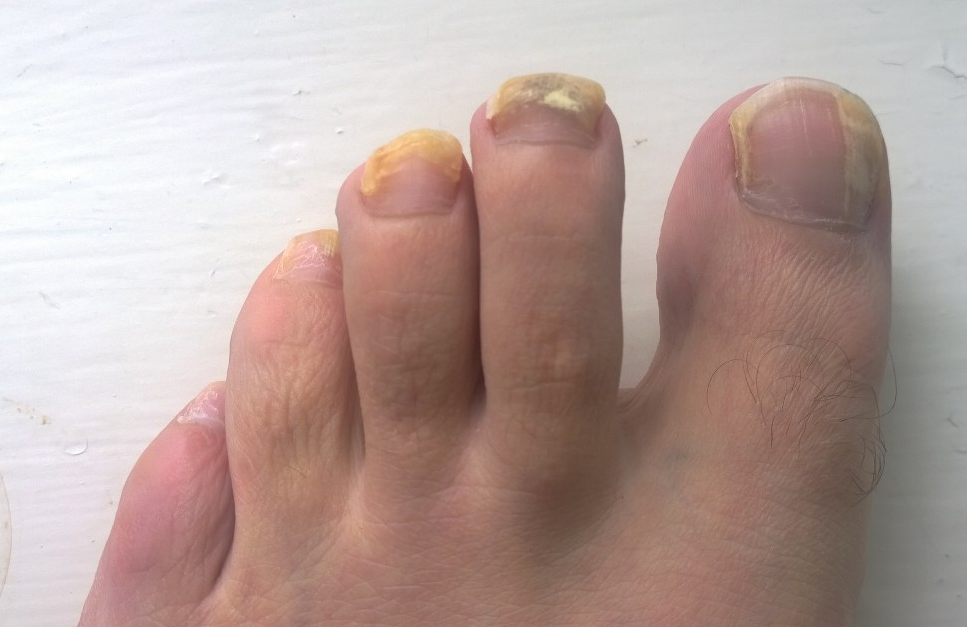
Fungal nail infections
Our patients often tell us that a fungal nail infection is one of the most embarrassing foot conditions to suffer from. This is mainly due to the thickening of their nails and the discolouration that occurs – both ‘normal’ symptoms of fungal nail infection. Many are embarrassed to walk barefoot or wear sandals as a result of the unsightly appearance of their toenails.
Causes
Prolonged exposure from athlete’s foot
Trauma to the nail, or nail bed
Symptoms
Dull nails, lacking natural shine
Nails that are discoloured around the edge
White/yellow spots in the middle of the nail
A healthy nail that has become brittle, or thicker
Uncomfortable or painful nails
Can it spread?
Yes, if left untreated a fungal nail infection on your big toenail, for example, can spread to other toenails.
Treatment
Tablets, paints and lacquers, antifungal nail creams. It can take up to 12 months to cure the infection and not all treatments will be effective.
Prevention
(it’s better than the cure, we always say!)
Avoid communal showers or swimming pools (or wear flip-flops if these places are unavoidable).
If you notice symptoms of athlete’s foot then treat it as soon as possible to avoid the fungus spreading to your nails.
Keep your feet in tip-top state, clean and dry.
Avoid shoes that make your feet hot and sweaty.
Wear clean socks every day.
Don’t share towels, nail clippers/scissors, or wear other people’s shoes.
Athlete's foot
The first sign of athlete’s foot, or tinea pedis to give it it’s medical name, is usually an intense itch between the toes. The skin can often look red, dry, and cracked and although it’s not a serious condition, if it’s left unattended you now know that it can spread to the nails as well as other parts of the body, or other people.
Causes
Direct contact with an infected person or by coming into contact with surfaces contaminated with the fungus (e.g. showers, swimming pools, changing room floors).
Sharing the socks or towel of an infected person
Not drying your feet properly or having sweaty feet
Symptoms
Intense itching or burning between the toes
Blisters on the toes that itch
Red, dry, cracked skin, and most commonly between the toes and on the soles of the feet
Treatment
There are a variety of over-the-counter, antifungal remedies but if you have a severe case we’d recommend seeing a podiatrist.
Prevention
(it’s better than the cure, we always say!)
Dry your feet thoroughly, especially between your toes, after washing or swimming
Wear good quality socks/tights and change them every day
Avoid walking barefoot in communal showers or swimming pools
Avoid sharing towels, socks, and shoes with other people
Never moisturise between your toes, this only helps fungi thrive
If you think you have a fungal infection and would like advice, contact Five Little Piggies for an initial consultation and treatment.
Foot pain can range from mild to severe and you may not suffer all-day-every-day. But it shouldn’t be ignored. Contact Five Little Piggies via our website or call us on 0141 613 1113 for an initial consultation and let us take care of your feet.